
Grenache is a versatile red wine grape. It produces rich reds and deep, ruby tinted rosés. This grape is known as Garnacha in Spain and Cannonau in Sardinia. While the French champion it in the Southern Rhône Valley, the grape likely originated in the Aragon region of northeastern Spain.
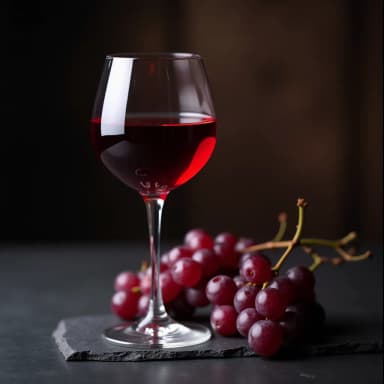
red grape
Grenache
Grenache is a versatile red grape variety known for its approachable and fruity character. It's widely grown in several regions around the world, contributing to both light and robust wines. Grenache-based wines are often enjoyed for their balance of fruitiness and softness.
Flavor Profile
Ripe red fruits like raspberry and strawberrywith hints of spice and pepper
Typical Characteristics
Body
medium
Acidity
low to medium
Tannin
low
Food Pairings
grilled meatscharcuterie boardscheeses (soft to semi-soft)salads with vinaigrette dressingsseafood dishes
The Basics
Taste Profile
Grenache is fruit forward, which means the flavors of the fruit are very prominent. Common notes include strawberry, raspberry, and red cherry. Some versions offer grilled plum or baked plum and fig. Rosés may specifically taste of watermelon.
Savory elements are also common, such as leather, dried herbs, and a touch of white pepper spice. In concentrated wines, notes of cocoa, licorice, orange peel, or sweet spice may appear. Wines from southern France often feature garrigue, which is a term for the scent of black pepper, lavender, dried thyme, and sunbaked earth. Some drinkers notice unusual flavors like rhubarb, hibiscus, watermelon rind, fruit snacks, or even horchata and soy sauce.
Structure
Body refers to the weight or thickness of the wine in the mouth. Grenache is medium to medium full bodied. Because it often has high alcohol, it can feel more rounded and heavier on the palate. Alcohol levels are typically high and often exceed 15% ABV.
Tannins are compounds that create a drying sensation on the gums and tongue. Grenache has fine, soft, and medium tannins, which makes the wine feel approachable. Acidity provides brightness or tartness to the wine. This grape generally has moderate to medium acidity.
Growing Regions
This grape ripens late, so it is grown in hot and dry climates.
In France, the Southern Rhône Valley is the most famous region. Notable areas include Côtes du Rhône and Châteauneuf du Pape, where Grenache often makes up over 80% of the blend. Tavel is a known area for rosés based on this grape.
In Spain, key regions are Rioja, Priorat, and Aragon, specifically Campo de Borja, Carinena, and Calatayud. In Italy, the wine is called Cannonau di Sardegna in Sardinia and must be at least 90% local Grenache by law.
In the United States, it grows in Arizona in Willcox and in California within San Joaquin Valley, Santa Barbara County, Paso Robles, and Monterey. In Australia, it is often found in McLaren Vale as part of GSM blends, which combine Grenache, Syrah, and Mourvèdre.
Buying Tips
Grenache can lack acid and color, so it is often blended with grapes like Cinsault, Tempranillo, Carignan, Mourvèdre, or Syrah to add balance. In the US, these wines often provide good value in the $15 to $30 price range.
As these wines age, they tend to develop flavors of leather and tar. Some examples can be cellared for 10 or more years. Grenache is prone to oxidation, meaning oxygen changes the wine. Even young wines may show bricking, which is a browning color around the rim of the glass.
Serving and Pairing
Serve this wine in a universal wine glass at 60 to 68 degrees Fahrenheit. Decant the bottle for 30 minutes before drinking.
Grenache is very food friendly. It pairs well with roast chicken, tacos, Mediterranean dishes, and recipes based on tomato. It also matches well with vegetables and roasted meats seasoned with cumin or Asian 5 spice.
Sources
- [S1]
- [S2]
- [S3]
- [S4]
- [S5]
Grenache Wines
Popular bottles made from Grenache
Les Vignerons du Castelas Côtes du Rhône wine
Castilla y Leon
Loxton Cellars Grenache Rose Ranch
Sonoma County
Loxton Cellars GSP
Sonoma County
Loxton Cellars Sonoma Reds Lot 20
Sonoma County
Loxton Cellars Pioneer Cuvée Estate Blend
Sonoma County
Château Maris No Sulfur Grenache
California
Domaine Château La Coste Le Blanc Château La Coste
Provence
white
EARL DAUMEN PERE & FILS DOMAINE DE LA VIEILLE JULIENNE Clavin
Rhône Valley
Continue Exploring
Discover more wines, grapes & regions